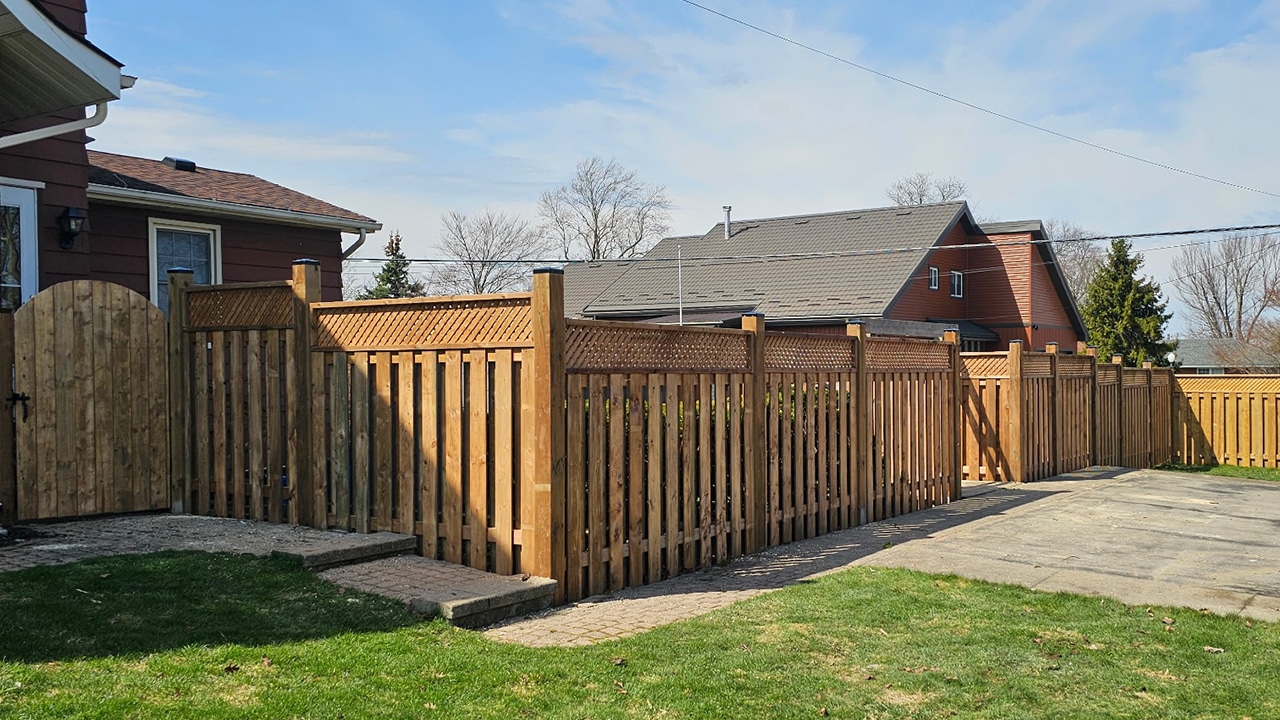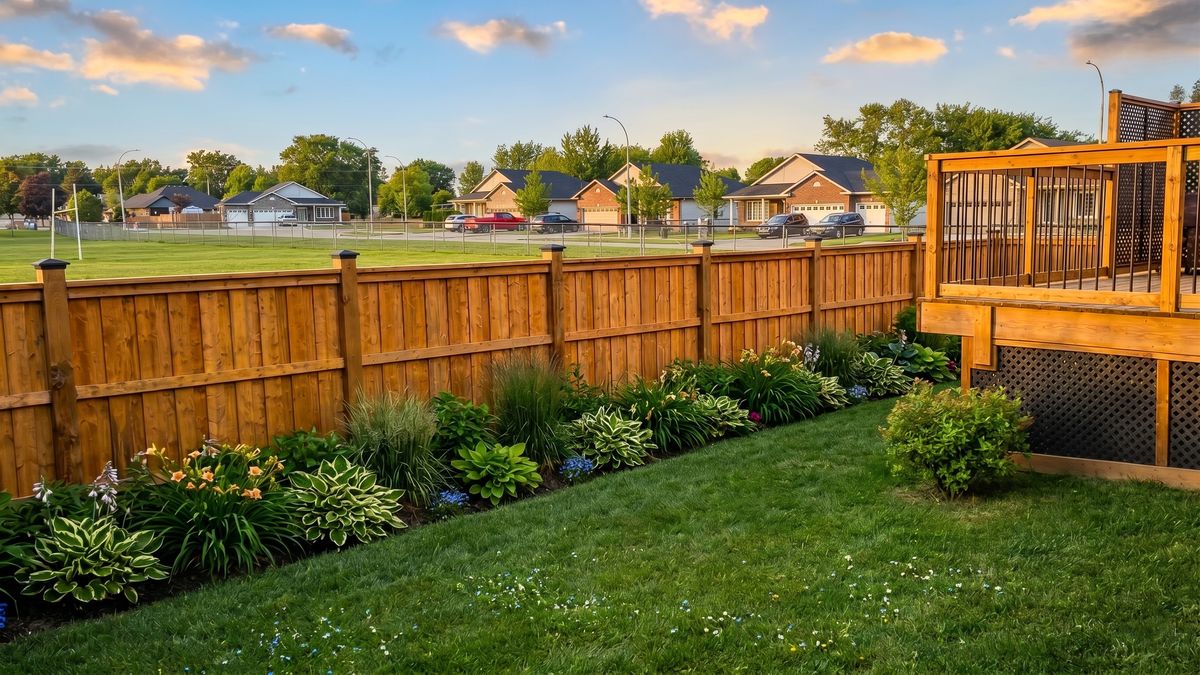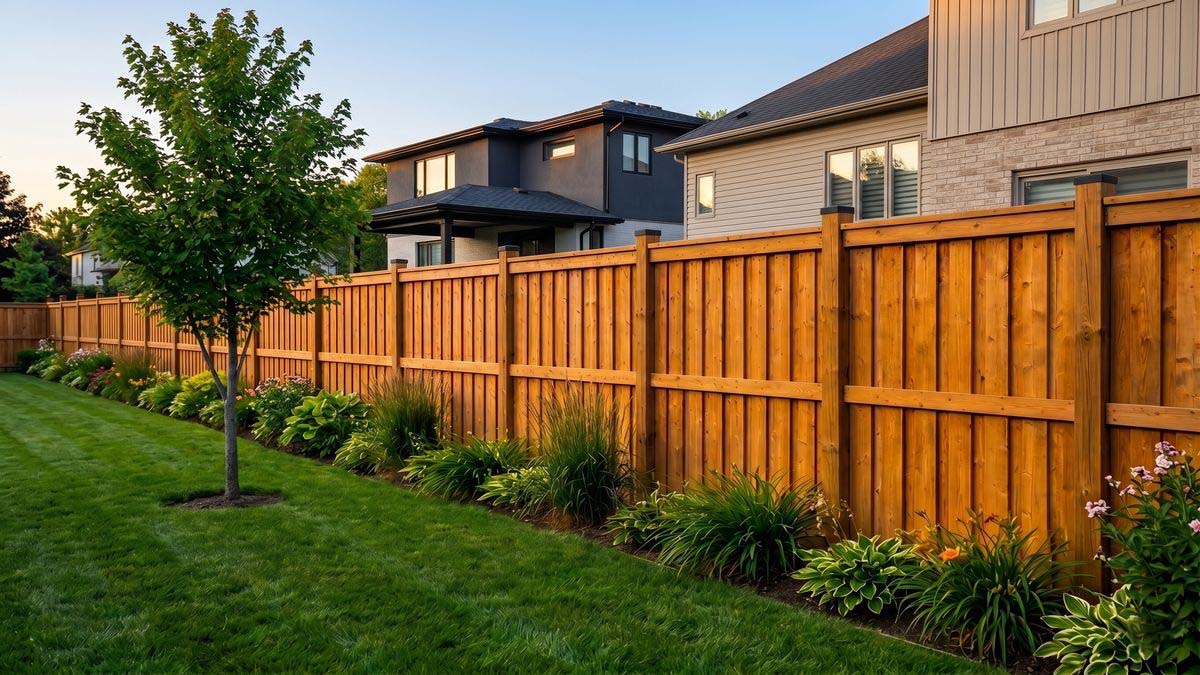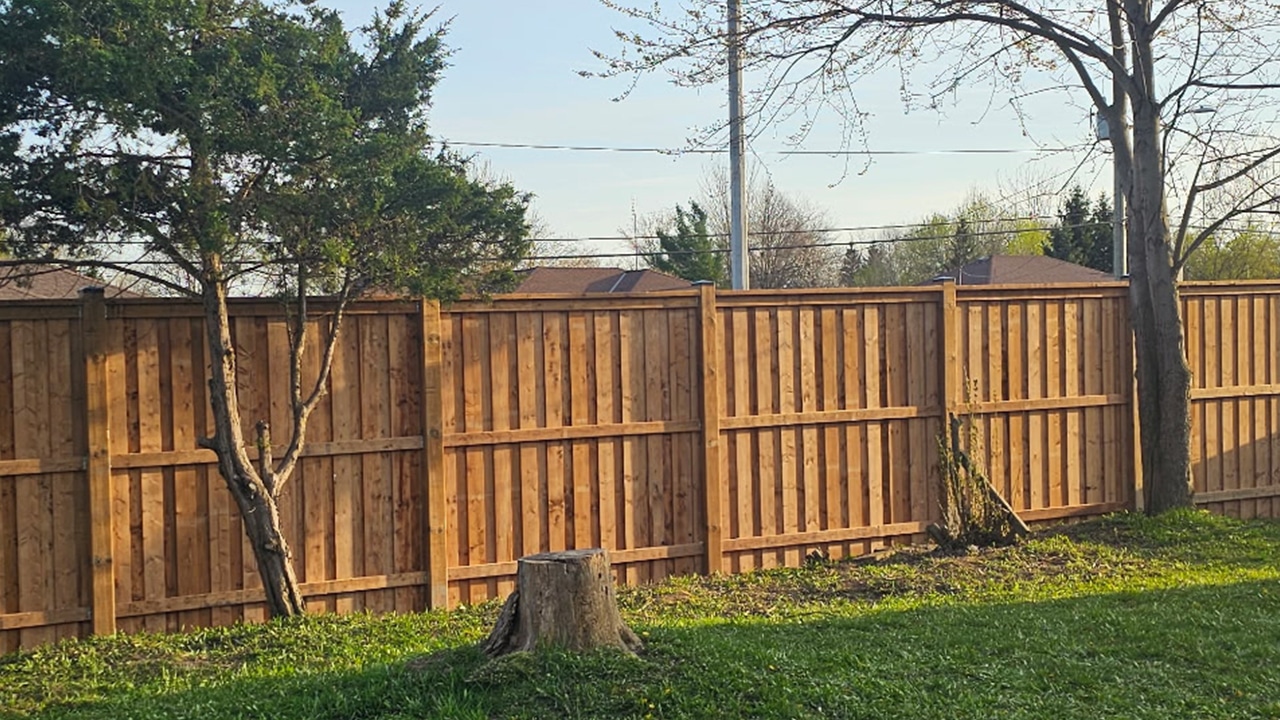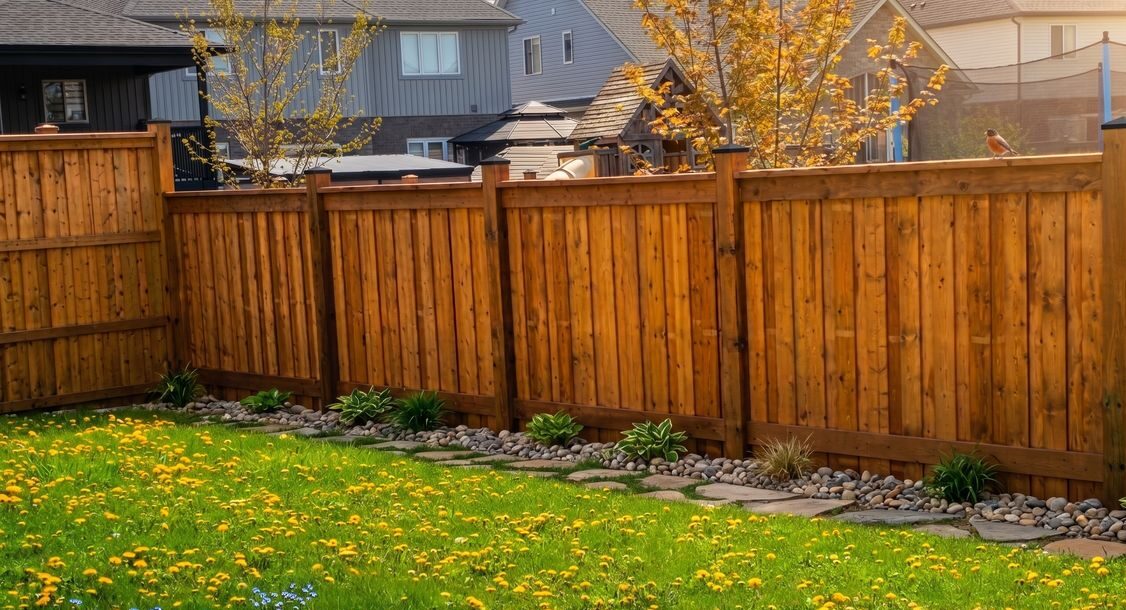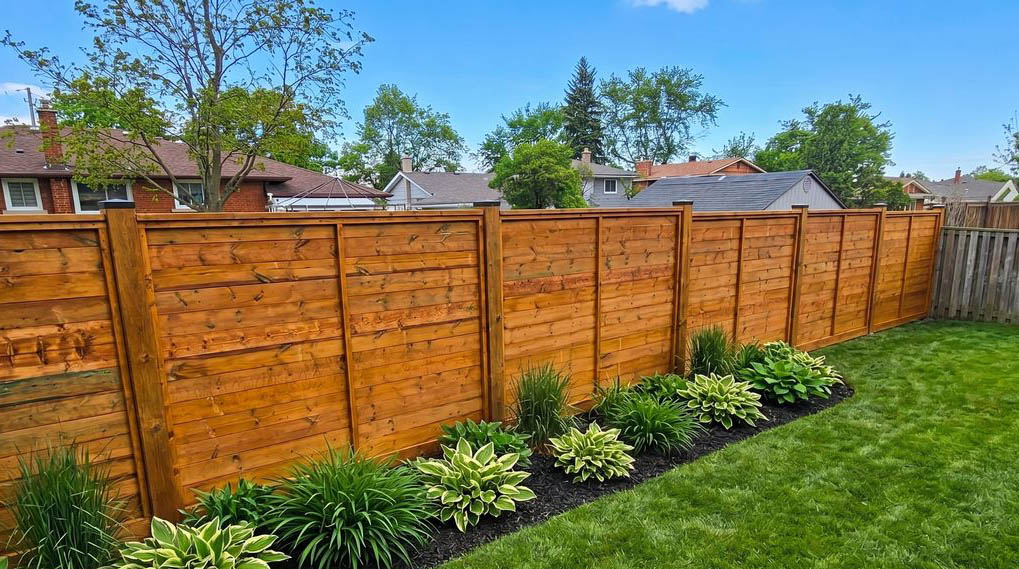

Toronto fencing lives and dies by Chapter 447 of the Municipal Code. In rear and side yards, your fence can go up to 2 m (6.6 ft) without a building permit. In the front yard, you’re capped at 1.2 m (4 ft) for solid construction or 2 m for open-style picket. We walk through all of this with you before we quote, because nothing kills a project faster than a complaint from a neighbour that drags the City inspector onto the property.
Toronto’s varied neighbourhood fabric matters. A fence that fits in Leaside (Georgian-revival brick) looks wrong in The Beaches (cedar fits the character) and out-of-place in Liberty Village (modern horizontal belongs). We design to context. Our PMs have installed in every quadrant — if we haven’t worked on your exact street, we’ve worked within a few blocks.
Toronto soil is predominantly clay-based across the old city, with sandier profiles near the lakeshore (The Beaches, Mimico) and shallow bedrock in pockets of North York. All three demand different post-setting approaches. Clay grabs tight but frost-heaves hard — we use 48″+ post depth with gravel drainage. Sand drains well but needs wider bell-footings. Bedrock requires either chipping or surface-mounted steel post bases.
Frequent project zones: High Park, Roncesvalles, Leslieville, Riverdale, The Junction, Cabbagetown, Rosedale, Forest Hill, Willowdale, Leaside, The Beaches, Etobicoke’s Alderwood and Mimico, Scarborough’s Guildwood and Bluffs.